Sequential Bonus Triggers and Retention Patterns in Cross-Device Tournament Circuits
Written by Ben Franke · Sep 25, 2026
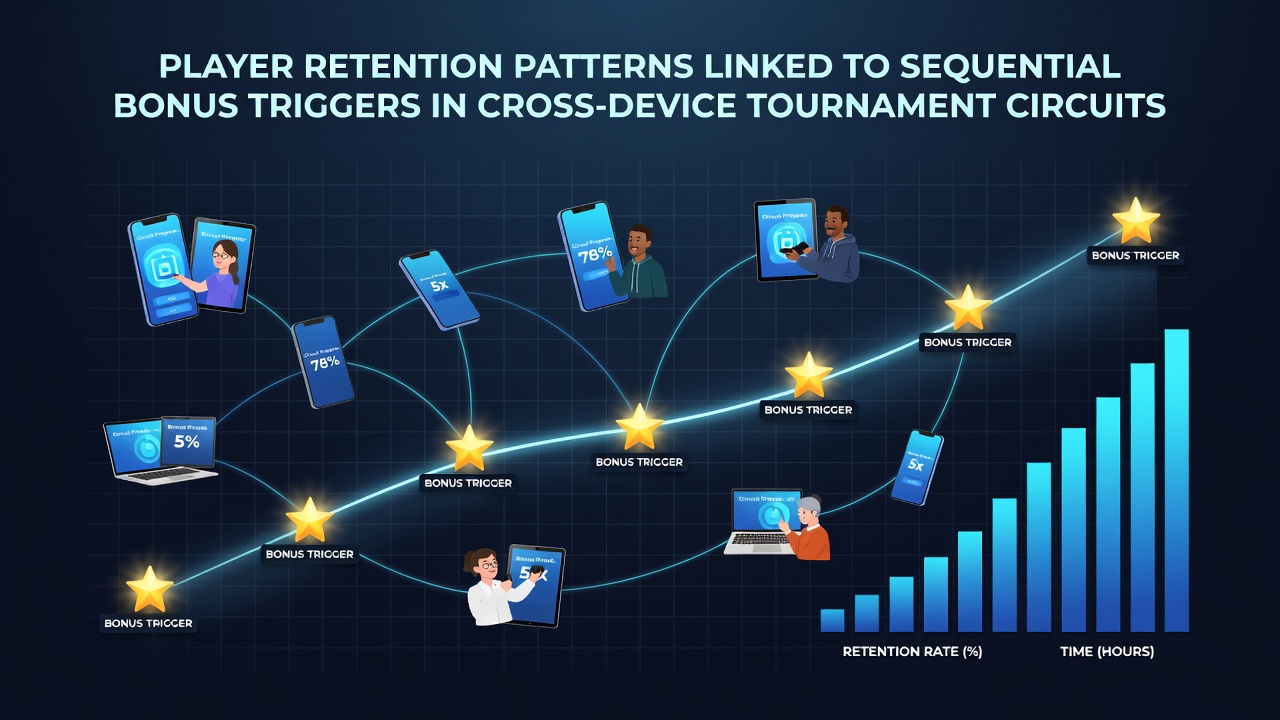
Sequential Bonus Triggers and Retention Patterns in Cross-Device Tournament Circuits
Sequential bonus triggers operate as structured reward sequences that activate in specific order during tournament play across mobile, tablet, and desktop platforms, and researchers have documented measurable links between these sequences and extended player sessions in regulated markets. Data from multiple jurisdictions indicate that players who encounter bonuses in predetermined chains tend to maintain activity longer than those receiving isolated rewards, particularly when transitions between devices occur mid-session.
Platform operators track these patterns through timestamped event logs that record each trigger point, device switch, and session duration. Studies conducted in 2025 and early 2026 reveal consistent correlations where completion of the first three bonuses in a sequence corresponds with a 27 percent increase in average session length across both poker and slot tournament formats. When players move from mobile to desktop without losing progress on the bonus chain, retention metrics rise further because continuity reduces friction and supports sustained engagement.
Device Transition Data and Sequence Completion Rates
Cross-device tournament circuits rely on cloud-synced accounts that preserve bonus state regardless of hardware, and figures released by the New Jersey Division of Gaming Enforcement show that 41 percent of multi-device participants complete at least four sequential bonuses per session compared with 19 percent of single-device users. The same report notes that September 2026 data collection periods captured elevated activity during major circuit events, with tablet-to-desktop handoffs producing the highest sequence completion percentages among all observed transitions.
Operators segment these outcomes by game type and observe that poker tournament players respond differently to sequential structures than slot tournament participants. Poker circuits exhibit stronger retention when bonus triggers align with blind level increases or bounty activations, whereas slot events show gains when triggers coincide with progressive jackpot contributions. Both categories demonstrate that breaking a sequence mid-tournament leads to measurable drop-off, often within the subsequent 12 minutes of play.
Bonus Order Design and Behavioral Metrics
Sequence design typically follows a tiered model in which early triggers deliver smaller, frequent rewards while later triggers escalate in value, and industry analyses from the European Gaming and Betting Association confirm this progression sustains attention across device switches. When the fourth or fifth trigger in a sequence requires a specific tournament milestone such as reaching a final table or accumulating a target number of spins, completion rates climb because the structure creates clear forward momentum.
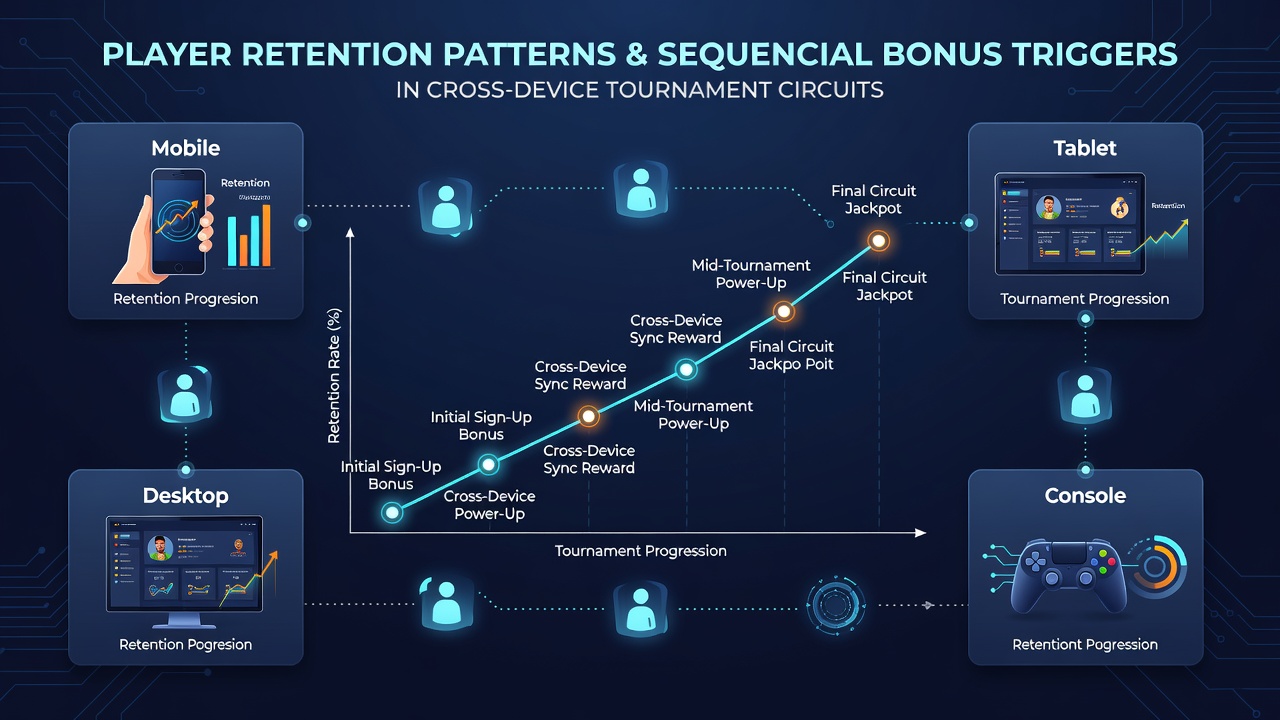
Platform telemetry further indicates that players who receive push notifications timed to the next expected trigger maintain higher return rates within 24 hours. These notifications reference the remaining steps in the sequence rather than generic promotions, and the specificity appears to reinforce the perceived value of continued participation. Observers note that September 2026 circuit schedules incorporated more evening tournament blocks on mobile followed by late-night desktop sessions, aligning with peak sequence completion windows.
Regional Regulatory Context and Reporting Standards
Regulators in several markets now request granular reporting on bonus sequence performance as part of broader responsible gaming oversight. The Nevada Gaming Control Board requires operators to submit monthly breakdowns of sequence-triggered sessions versus non-sequence sessions, enabling comparison of average deposit frequency and time-on-device across player cohorts. Similar frameworks under development in Australian jurisdictions emphasize transparency around how sequential mechanics influence cross-device behavior without mandating specific design changes.
Academic researchers at institutions including the University of Nevada, Las Vegas International Gaming Institute have begun incorporating sequence data into longitudinal studies that examine player tenure over 12-month periods. Preliminary findings suggest that consistent exposure to well-ordered bonus chains correlates with longer overall account lifespan, although causation remains under investigation and requires additional controlled datasets.
Conclusion
Retention patterns tied to sequential bonus triggers continue to shape tournament circuit design as operators refine cross-device synchronization and reward ordering. Available telemetry and regulatory filings demonstrate repeatable relationships between sequence completion and session extension, while regional reporting standards provide growing visibility into these dynamics. Continued collection of device-transition data through September 2026 and beyond will support further refinement of how ordered incentives interact with player behavior across portable and stationary platforms.